Crispy food without a vat of hot oil is not a compromise. Done correctly, it is genuinely comparable to deep frying in texture and considerably better in terms of what ends up in the food. But the appliance does not do this automatically. Technique matters here more than most people realise when they first bring one home, and the gap between good results and mediocre ones almost always comes down to a handful of habits rather than anything to do with the machine itself.
Why Moisture Is the Enemy of Crispiness
One thing explains most air frying failures. Moisture on the food surface.
Hot circulating air hits a wet surface and the first thing it does is convert that water to steam. The food steams. It does not crisp. This happens with ingredients straight from the fridge, anything that has been marinated, anything rinsed and not dried, and vegetables with high water content that have not been handled correctly before going into the basket.
Patting everything dry with kitchen paper before cooking is not optional if crispiness is the goal. Both the exterior and any cut surfaces need to be properly dry, not just wiped once and considered done. For anyone serious about results, using a quality air fryer with strong rapid air circulation gives that dry surface the best possible conditions to develop texture quickly. But the drying has to happen first. No appliance compensates for surface moisture that should have been removed before the food went in.
Single Layer Is Not a Suggestion
This is the method that separates consistently good results from inconsistent ones. One layer. Space between pieces. Hot air reaching every surface simultaneously.
Stack food and the pieces underneath steam against each other rather than crisping. The air fryer’s entire mechanism depends on circulation reaching all surfaces at once. Take that away by overcrowding and you have an appliance running hot and circulating air that cannot get to where it needs to go. Bottom pieces come out soft. Top pieces might look fine. Nothing in the middle does what you wanted.
Two batches done properly beat one crowded batch every time. The total time is similar. The quality difference is not.
What Preheating Actually Does
An air fryer loaded cold and started immediately spends the first few minutes gradually warming up around the food. That warm-up phase does not crisp anything. It slowly raises the temperature while the food sits there absorbing heat without the rapid surface contact that creates texture.
Three to five minutes of preheating at the target temperature before food goes in means the basket is already at full heat the moment ingredients land in it. Surface moisture evaporates immediately. Browning starts at the right point rather than lagging behind while the machine catches up. The difference shows most clearly on vegetables and breadcrumbed items, both of which respond visibly to that initial heat contact.
It is a small habit that costs nothing and consistently improves what comes out.
Oil Helps but Not in the Way Most People Use It
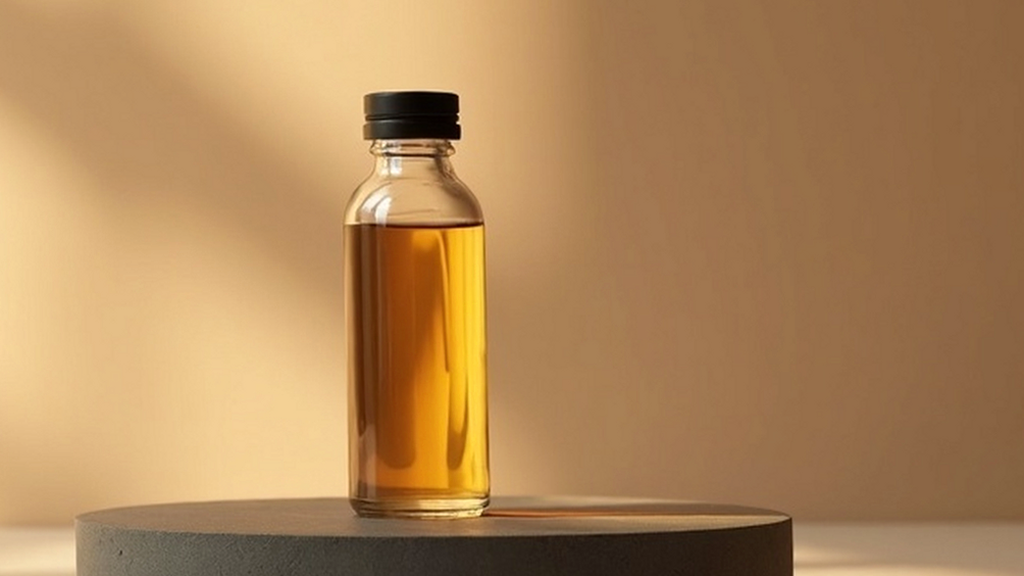
A teaspoon of oil applied lightly across a full basket does something air alone struggles to replicate. It conducts heat more evenly across the surface, helps coatings and seasonings adhere, and promotes browning in a way that pure hot air sometimes does not achieve on its own.
That is a teaspoon. Applied with a brush or a light spray. Not poured from a bottle, which overshoots significantly and puts the food partway back toward conventional frying. Food prepared this way in an air fryer uses somewhere between 75 and 85 percent less oil than deep frying while producing a surface that looks and feels genuinely comparable.
Breaded items need an egg wash first so the crumbs stick. Without something to bond the coating, the circulating air strips it off before it has time to set. Egg wash, fine breadcrumbs, light oil spray. That sequence works.
See also: How Data Analytics Is Improving Senior Health Outcomes?
Shaking Halfway Through Is Not Decorative
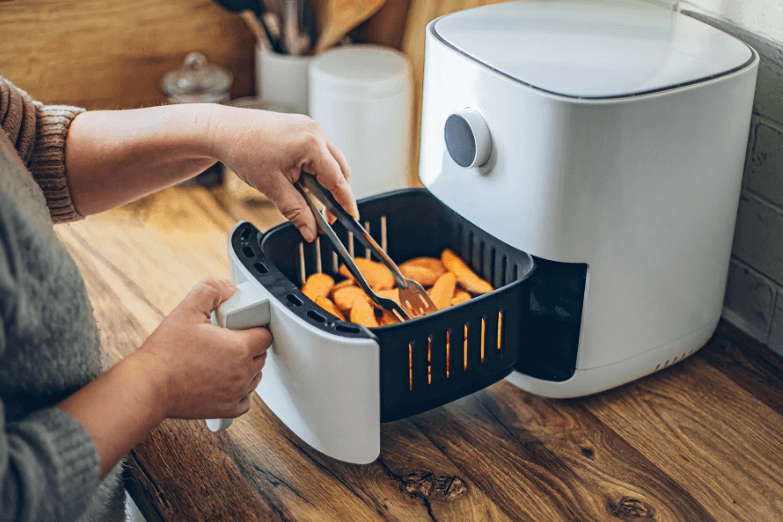
Halfway through the cook time on any air fryer session, shake the basket or flip whatever is inside. This is not an optional step that some recipes include for thoroughness. Surfaces in contact with the basket floor or pressed against other food throughout the entire session develop differently from exposed surfaces. Shaking changes which surfaces face the heat for the second half of cooking.
The result is consistent texture across the whole batch rather than a top layer that crisped and a bottom layer that did not.
Conclusion
Good results from an air fryer consistently come from five things applied together. Dry surfaces before cooking. Single layer arrangement in the basket. Preheated appliance before food goes in. Light oil applied correctly. Mid-cook shake or flip. Remove any one of these and the results become less predictable. Apply all five and the texture gap between air frying and deep frying becomes genuinely difficult to notice.