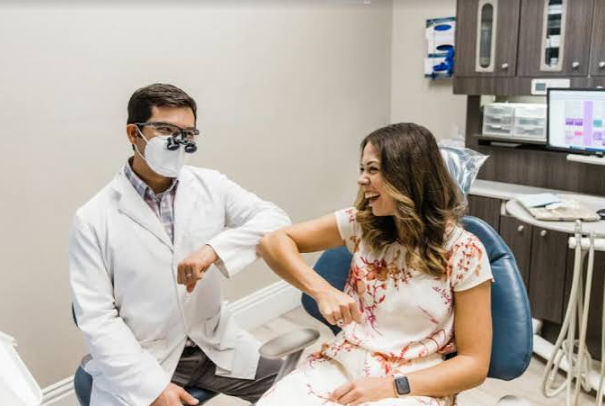
Picking a dentist sounds simple until you are trying to make one choice work for a toddler, a busy parent, and an older adult with a different set of health needs. You might be juggling school schedules, insurance limits, dental anxiety, and the quiet worry that one rushed decision could turn into years of missed cleanings or care that never feels like the right fit. That stress is real. A good family dentist should make life easier, not harder, and for some families, finding a Falls Church biomimetic dentist may be an important part of choosing care that feels like the right fit.
The right practice does more than clean teeth. It helps your child feel safe in the chair, explains treatment in plain language to adults, and respects the extra concerns that often come with aging, like dry mouth, gum disease, or mobility issues. If you ask the right questions early, you can avoid a lot of frustration later.
A family dentist should be equipped for every stage of life
Start with the most basic question. Does this office actually treat patients across generations, or does it only market itself that way? A dentist who sees children, teens, adults, and seniors every week will usually have a smoother system for age-specific care. That means a more patient approach with young kids, preventive guidance for teens with braces or sports guards, and closer monitoring for adults and older patients who may be dealing with gum recession, missing teeth, or chronic health conditions.
If an office hesitates when you ask about age ranges, that tells you something. The same is true if they can treat everyone, but the experience feels uneven. A child may need extra time and calm reassurance. An older adult may need a provider who understands how medications affect oral health. According to the CDC, adult oral health habits and preventive care play a major role in reducing disease over time. A practice that understands those long-term patterns is better prepared to care for your whole household.
Communication style often matters as much as clinical skill
You can have a highly trained dentist and still leave every visit confused, rushed, or dismissed. That is a bad fit, especially when different generations in one family need different kinds of explanations. A teenager may want direct answers. A parent may need cost clarity. An older patient may need slower, clearer conversations and time to ask follow-up questions.
Ask how the dentist explains treatment options and whether they welcome questions. Pay attention to how the front desk handles basic concerns too. If the staff sounds impatient before your first appointment, the tone inside the exam room may not be much better. The National Institute on Aging offers useful guidance on choosing a doctor you can talk to, and that standard applies here. You need a provider who listens, explains, and does not make you feel foolish for asking for clarity.
Office policies can either support families or create constant friction
Convenience is not a luxury when multiple people need appointments. Ask about scheduling blocks for families, emergency visits, cancellation policies, and how far out routine cleanings are booked. A practice may offer great care, but if you cannot get your child seen after a chipped tooth or you have to take three separate days off work for exams, the strain adds up fast.
Insurance and payment policies matter just as much. Get clear answers about accepted plans, estimates before treatment, and financing for larger procedures. You do not want to be standing at the front desk after a filling or crown, hearing a number you were not prepared for. That is how trust erodes.
The best questions reveal how a dental office handles real life
Ask what happens when a nervous child refuses treatment. Ask how they help adults who have avoided the dentist for years out of fear or embarrassment. Ask whether the office is accessible for older adults with walkers or wheelchairs. Ask how they handle preventive care versus aggressive treatment plans. These are not small details. They shape whether people actually return for care.
A good answer sounds calm, specific, and respectful. A weak answer sounds defensive or vague. When you are looking for a dentist for all ages, you are not only choosing technical care. You are choosing an environment your family can live with over time.
Comparison points can help you choose the right dental practice
| Question to Ask | What a Strong Answer Sounds Like | Why It Matters |
| Do you treat children, adults, and seniors regularly? | We see patients across all age groups every week. | Shows real experience, not just broad marketing. |
| How do you explain treatment options? | We review choices, costs, and risks in plain language. | Reduces confusion and builds trust. |
| Can family members schedule together? | We try to group appointments when possible. | Saves time and lowers stress. |
| How do you support anxious patients? | We use a gentle pace, clear communication, and comfort options. | Makes consistent care more likely. |
| How do you handle emergencies? | We leave room for urgent cases and give after-hours guidance. | Helps when pain or injury cannot wait. |
| What are your payment and insurance policies? | We verify benefits and discuss estimates before treatment. | Prevents surprise bills. |
| Is your office accessible for older adults? | We offer easy entry, supportive seating, and patient-centered scheduling. | Improves comfort and safety for seniors. |
Clear steps make choosing a dentist less overwhelming
Call with a short list of questions. Keep it simple. Ask about age ranges, scheduling, emergency care, insurance, and how the dentist handles anxiety. You can learn a lot in five minutes.
Book one first visit before moving the whole family. If you are unsure, start with one appointment for yourself or one child. Notice how the office feels, how long you wait, and whether the dentist listens without rushing.
Watch how they respond to ordinary concerns. The best choosing a dentist for your family advice is often this basic. Pay attention to tone. Respect, patience, and clarity show up in the small moments.
A thoughtful choice now can make dental care easier for years
You do not need the perfect office. You need a dental practice that treats people well, communicates clearly, and can care for your family through different stages of life. That is what turns routine visits from one more stressful task into something manageable. When you ask the right seven questions, you are not being demanding. You are protecting your time, your budget, and your family’s comfort with the right dentist.