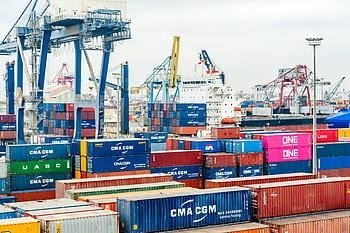
Logistics has entered a new phase where efficiency alone is no longer the ultimate goal. Businesses are now expected to deliver goods quickly while also reducing environmental impact and maintaining operational resilience. This shift is especially noticeable in sectors that rely heavily on transportation, including construction, manufacturing, and large-scale infrastructure projects.
As supply chains grow more complex, logistics providers are being challenged to balance performance with sustainability. The result is a new approach that integrates smarter planning, advanced technology, and environmentally conscious strategies.
The Changing Nature of Logistics Operations
Logistics is no longer limited to moving goods from one location to another. It now involves managing an entire network of activities, including planning, coordination, and optimization across multiple stages of the supply chain.
In industries that require heavy equipment transport, the stakes are even higher. Detailed planning, route management, and compliance with regulations are essential. Practical insights from this guide to heavy equipment transportation highlight the importance of preparation and precision in handling complex logistics operations.
Managing Complexity with Precision
Transporting oversized or sensitive equipment requires careful coordination. From selecting appropriate vehicles to planning routes that accommodate size restrictions, every detail matters.
This level of precision ensures both safety and efficiency throughout the process.
The Role of Sustainability in Modern Logistics
Sustainability has become a defining factor in logistics strategy. Businesses are under increasing pressure to reduce emissions, minimize waste, and adopt environmentally responsible practices.
At the same time, technology is playing a key role in achieving these goals. Concepts explored in this discussion on technology and environmental protection demonstrate how innovation can support sustainable practices across various industries, including logistics.
Reducing Environmental Impact
Efforts to lower emissions include optimizing delivery routes, using fuel-efficient vehicles, and exploring alternative energy sources. These changes not only benefit the environment but also improve operational efficiency. Over time, even small improvements can lead to significant results.
Aligning Sustainability with Efficiency
Sustainable logistics is not just about compliance—it also supports cost savings and improved performance. By reducing waste and optimizing resources, businesses can achieve both environmental and financial benefits. This alignment is driving widespread adoption of greener logistics strategies.
The Importance of Reliable Logistics Services
As logistics operations become more demanding, businesses are increasingly relying on experienced providers to manage transportation and supply chain activities. These providers offer the expertise and infrastructure needed to handle complex requirements.
Why Expertise Matters in Logistics
Logistics involves more than transportation—it requires strategic planning, risk management, and the ability to adapt to changing conditions. Experienced providers understand how to balance these factors effectively.
Organizations seeking dependable logistics support often turn to solutions like logistics services from Bear Down Logistics, which reflect the growing need for flexible and scalable approaches to managing modern supply chains. This type of partnership allows businesses to focus on their core operations while ensuring that logistics runs efficiently.
Technology Driving Logistics Innovation
Technology has become a central component of logistics operations, enabling businesses to manage supply chains with greater accuracy and control.
Real-Time Tracking and Visibility
Tracking systems provide continuous updates on shipments, allowing businesses to monitor progress and respond quickly to disruptions. This visibility improves coordination and reduces uncertainty. It also enhances customer satisfaction by providing accurate delivery information.
Data-Driven Decision Making
Analytics tools help identify inefficiencies, optimize routes, and improve resource allocation. By leveraging data, companies can make more informed decisions and improve overall performance. This data-driven approach is transforming logistics into a more strategic function.
Balancing Efficiency, Cost, and Flexibility
Logistics decisions often involve balancing multiple priorities. Faster delivery options may increase costs, while more economical solutions may extend delivery times.
Finding the Right Balance
Businesses must align their logistics strategies with customer expectations and operational goals. In many cases, reliability becomes the most important factor, as consistent performance builds trust. This balance is essential for long-term success.
Adapting to Changing Conditions
Flexibility allows businesses to respond to unexpected challenges, such as supply chain disruptions or shifts in demand. This may involve adjusting routes, using different transportation modes, or working with multiple providers. Flexible systems are better equipped to handle uncertainty.
See also: Fire Risk Assessment Compliance: Avoid Legal Penalties
The Future of Logistics and Transportation
The logistics industry is continuing to evolve, driven by advancements in technology and increasing demand for sustainable practices. Businesses that embrace these changes are better positioned to remain competitive.
Innovation and Adaptation
Emerging technologies such as automation, artificial intelligence, and advanced analytics are reshaping how logistics is managed. These tools enable greater efficiency and more precise control over operations. Companies that adopt these innovations can improve both performance and resilience.
A More Sustainable Approach
Sustainability will continue to play a central role in shaping logistics strategies. Businesses that prioritize environmental responsibility alongside efficiency will be better equipped to meet future challenges. This shift reflects a broader transformation in how supply chains are designed and managed.
Conclusion
Logistics has become a critical driver of business success, connecting transportation, sustainability, and operational efficiency into a unified system. As supply chains grow more complex, the importance of careful planning, advanced technology, and experienced partnerships continues to increase.
Businesses that invest in smarter logistics strategies and embrace sustainable practices will be better prepared to navigate future challenges and achieve long-term growth. The ability to balance efficiency, flexibility, and environmental responsibility will define the next generation of supply chain success.