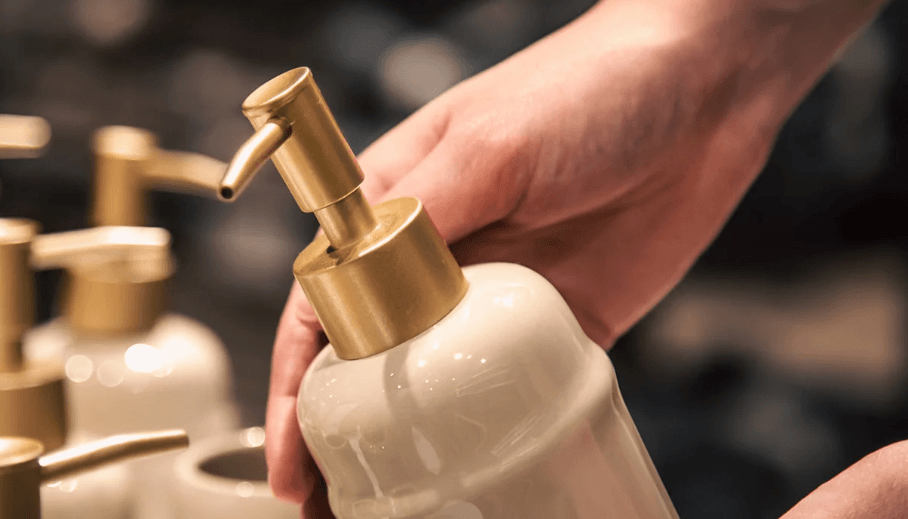
Most people don’t really notice a soap dispenser unless something goes wrong.
It could be empty. It could stop responding. Or sometimes it just dispenses too little or too much. That’s usually when it gets attention.
Otherwise, it just sits there as part of the routine. Use it and move on.
But in places like offices or public washrooms, where usage keeps happening all day, this small fixture actually affects more than it seems.
It Sits Right in the Middle of the Routine
Handwashing sounds simple, but it’s a sequence.
Turn on the tap, use soap, rinse, dry.
If one step feels off, people adjust. Sometimes they rush, sometimes they skip.
A soap dispenser sits right in between, and if it doesn’t work properly, the whole process feels slightly broken. Not enough to stop someone, but enough to affect how they use it.
Consistency Becomes Noticeable After a While
At first, you don’t really think about how much soap is coming out.
But over time, you start noticing patterns. Some units require multiple presses. Some release more than needed.
In a busy setup, that inconsistency adds up. More refilling, more waste, and sometimes just unnecessary effort.
A soap dispenser that gives a steady amount each time removes that variation. It doesn’t feel like a big change, but it makes usage smoother without people realizing it.
Less Contact Changes the Way People Use It
Manual systems work, but they depend on touch.
Every user presses the same surface, again and again.
In smaller spaces, that may not feel like an issue. In shared environments, it’s different.
A touchless soap dispenser changes that interaction. No pressing, no second thought.
The World Health Organization has pointed out how proper hand hygiene helps reduce infection spread. Reducing repeated contact is a small part of that, but it helps.
Waste Isn’t Always Obvious
Soap wastage is not something people usually track.
But if you watch closely, it’s there. Extra pumps, uneven usage, sometimes more than needed.
Over time, this leads to frequent refilling.
A controlled soap dispenser limits that variation. The amount stays more or less the same, regardless of who is using it.
It doesn’t eliminate waste completely, but it reduces it enough to be noticeable.
Maintenance Feels Slightly Easier
In offices and public washrooms, maintenance is always ongoing.
Refilling is part of the routine. Cleaning is part of it too.
A reliable soap dispenser doesn’t remove that work, but it makes it more predictable.
Instead of reacting to sudden empty units or inconsistent usage, things stay more manageable.
People Notice When It Doesn’t Work
Most of the time, a soap dispenser is invisible.
But the moment it stops working, it becomes the first thing people notice.
An empty unit or one that doesn’t respond creates a quick negative impression.
On the other hand, when it works properly, it blends into the experience. That’s usually what you want.
High Usage Changes Everything
In smaller setups, these differences may not stand out much.
But in places like offices, malls, or airports, usage is continuous.
That’s where even small inefficiencies become visible.
A soap dispenser that works consistently handles that load better. It doesn’t need constant adjustment or attention.
It Brings Some Level of Control
Public spaces are unpredictable. People use things differently.
You can’t control behavior, but you can control how the system responds.
A soap dispenser with fixed output creates a standard pattern.
Every user gets roughly the same amount. That alone makes things easier to manage over time.
See also: How Tech-Enabled Academic Support Prepares Students for Corporate Life
It’s a Small Change, But It Stays
Compared to other upgrades, a soap dispenser feels like a small decision.
But it’s used every day, by almost everyone who walks into space.
That’s where the impact builds up. Not in one moment, but across repeated use.
It improves consistency, reduces minor issues, and keeps things running without much attention.
Final Thoughts
A soap dispenser doesn’t stand out when everything is working properly. That’s the point.
In offices and public washrooms, where usage doesn’t really stop, reliability becomes more important than features.
It’s not about adding something new. It’s about removing small friction points that affect everyday use.
And over time, that makes a bigger difference than it seems at first.