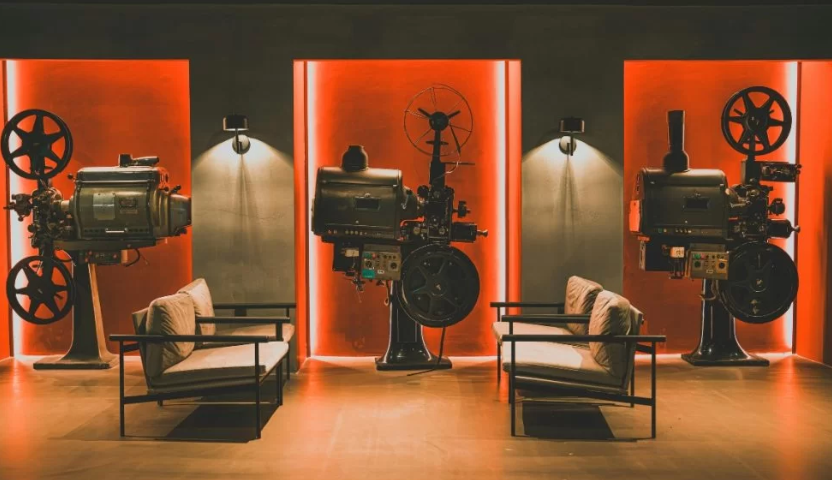
The integration of technology in filmmaking has fundamentally altered the creative landscape. Innovations such as digital cinematography and CGI have expanded the boundaries of visual storytelling. This evolution raises questions about the implications for traditional filmmaking techniques. As filmmakers adopt these advanced tools, the impact on narrative structure and audience perception becomes increasingly complex. The future of film may hinge on the balance between technological prowess and artistic integrity. What lies ahead in this ever-evolving dialogue?
The Historical Journey of Filmmaking Technology
As filmmakers sought to capture the essence of storytelling, the evolution of filmmaking technology became a pivotal factor in shaping the cinematic experience.
From the silent era’s reliance on visual narrative to the sound revolution that enriched auditory storytelling, advancements such as color innovation transformed aesthetics.
Ultimately, the digital transition redefined accessibility and creativity, enabling diverse voices to flourish in the ever-expanding cinematic landscape.
See also: Technology and Environmental Protection
Essential Tools Shaping Today’s Filmmaking Landscape
A myriad of essential tools has emerged in modern filmmaking, each contributing significantly to the artistic and technical dimensions of the craft.
Virtual reality enables immersive experiences, allowing filmmakers to create engaging narratives that resonate deeply with audiences.
Meanwhile, drone cinematography revolutionizes aerial shots, providing breathtaking perspectives previously unattainable.
Together, these advancements redefine creative possibilities, empowering filmmakers to explore uncharted territories in storytelling.
How Technology Enhances Storytelling in Film
While traditional storytelling has long relied on narrative structure and character development, technology now plays a pivotal role in enhancing the storytelling experience in film.
Digital effects elevate visual narratives, creating a world where audiences can achieve deeper narrative immersion. This technological integration not only captivates viewers but also enriches emotional engagement, allowing filmmakers to explore complex themes and experiences in innovative ways.
Upcoming Trends in Filmmaking Technology
How will emerging technologies shape the future of filmmaking? Innovations such as virtual reality and augmented storytelling are poised to revolutionize narrative structures and audience engagement.
Filmmakers can create immersive experiences that transcend traditional viewing, allowing for interactive participation. This shift not only enhances creative expression but also empowers audiences, fostering a more liberated and participatory approach to storytelling in cinema.
Conclusion
In the evolving tapestry of filmmaking, technology serves as both the loom and the thread, weaving intricate narratives that captivate audiences. As filmmakers harness tools like virtual reality and drone cinematography, they not only enhance visual storytelling but also redefine the very essence of engagement. The future of cinema lies in this dynamic interplay between innovation and artistry, symbolizing a continuous quest for new horizons, where every frame becomes a portal to imaginative realms yet to be explored.