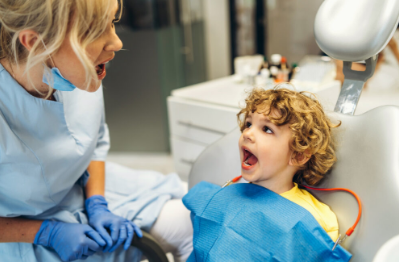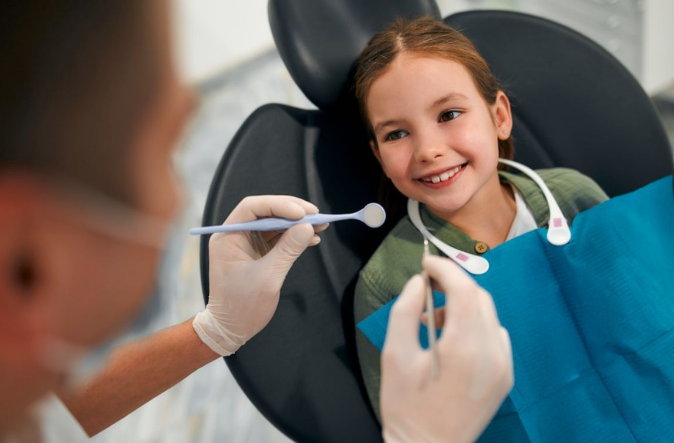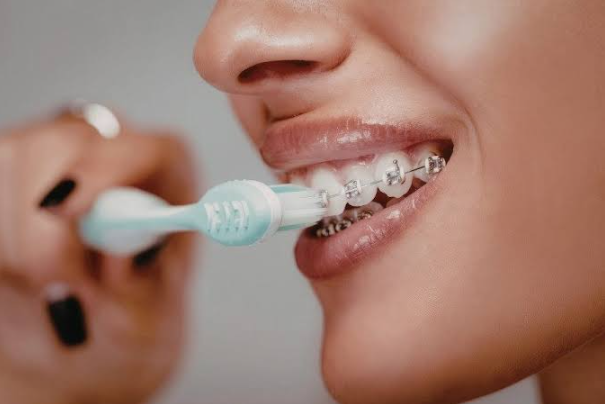
Your child is not a little kid anymore, but they are not fully grown either. The teen years tend to sneak up on families that way. One day you are reminding them to brush before bed, and the next you are hearing about sports practices, school stress, braces, late nights, and a schedule that feels packed from every side. Dental care can slip down the list, even when you know it should not. That is why staying connected with a family dentist in Memphis can make it easier to keep your teen’s oral health on track.
This stage matters because teens are old enough to make more of their own choices, but they still need structure, consistency, and someone keeping an eye on the details. A family dentist can help bridge that gap. The biggest benefits are continuity, prevention, and trust. When the same office has cared for your child over time, it becomes easier to spot changes early, support better habits, and guide them through the new dental issues that often show up in adolescence.
Family dentistry gives teens continuity when their needs start changing fast
Teen years bring a mix of new habits and new risks. Your child may be drinking more sports drinks, skipping breakfast, staying up later, or rushing through brushing because they are trying to get out the door. Some teens start orthodontic treatment. Others begin contact sports and need mouthguards. Wisdom teeth may start becoming part of the conversation. None of this is unusual, but it does create more chances for problems to build quietly.
A family dentist already knows your child’s dental history, patterns, and comfort level. That matters more than many parents expect. If your teen has always had deep grooves in their molars, a dentist who has followed them for years is more likely to keep a close watch for early decay. If they have been nervous at visits since childhood, a familiar setting can lower resistance and make appointments smoother.
This is one of the clearest benefits of family dentistry for teens. Care feels connected instead of scattered. You are not starting over with a new provider just when your child is entering a stage where follow through gets harder. That continuity can also help families stay on top of prevention, including cleanings, exams, and guidance based on your teen’s real habits rather than a generic checklist.
See also: How Tech-Enabled Academic Support Prepares Students for Corporate Life
Preventive care in family dental care for adolescents can reduce bigger problems later
Small dental issues do not stay small for long when a teen is busy and distracted. A spot of early decay can turn into a filling, then a larger repair, then pain that interrupts school or sports. Gums can become inflamed from inconsistent brushing and flossing. Orthodontic hardware can trap food and plaque in places your child is not cleaning well.
Prevention is usually less stressful and less expensive than fixing a problem after it gets worse. A family dentist can track risk factors, recommend fluoride, check for wear from grinding, and talk with your teen in a way that feels direct rather than parental. Sometimes that outside voice is what finally gets through.
Sealants are one example. Back teeth often have deep grooves that are hard to clean well, especially for kids and teens. The CDC explains how dental sealants help protect molars from cavities, which can be a practical option during these years. The CDC also shares oral health tips for children that still apply as kids move into adolescence, especially around brushing, flossing, and regular visits.
Family dental care for adolescents also helps catch changes tied to growth. Bite alignment, jaw development, and the arrival of adult teeth do not always move in a straight line. Early attention can prevent more involved treatment later.
A trusted family dentist can help teens take ownership of their oral health
Teenagers want more independence, but that does not mean they always make the best choices. You have probably seen this in a dozen areas of life already. Dental care is no different. They may know what to do and still cut corners. They may also feel embarrassed about bad breath, stained teeth, bleeding gums, or the look of their smile, even if they do not say it out loud.
A family dentist can create a space where your teen starts hearing these issues as part of their own health, not just one more rule from home. That shift matters. When teens understand how oral health affects pain, appearance, confidence, sleep, and even performance in school or sports, they are more likely to participate in their own care.
Reliable information helps too. MedlinePlus offers a solid overview of children’s dental health, including habits and warning signs parents should not ignore. When concerns come up, a familiar dentist can explain what is normal, what needs treatment, and what your child can do next without turning the visit into a lecture.
Family dentistry compared with inconsistent dental care during the teen years
| Area | Ongoing care with a family dentist | Inconsistent or fragmented dental care |
|---|---|---|
| Dental history | Past cavities, habits, anxiety, and growth patterns are already known | New providers may need time to spot patterns or risks |
| Prevention | Regular exams can catch decay, gum issues, and wear early | Problems are often found later, when treatment is more involved |
| Teen comfort | Familiar office and staff can reduce avoidance and stress | Unfamiliar settings may increase resistance to appointments |
| Parent coordination | One office can often manage care for multiple family members | Scheduling and records may feel more scattered |
| Long term cost | Preventive care may reduce larger treatment needs later | Delayed care can lead to fillings, crowns, or urgent visits |
Simple steps parents can take right away
Schedule routine visits before the calendar fills up. Sports seasons, school breaks, and holidays tend to crowd everything else out. Booking preventive visits early makes it easier to keep dental care from becoming an afterthought.
Ask for teen specific guidance. A general reminder to brush is rarely enough at this age. Ask the dentist to talk directly with your child about braces care, mouthguards, sugar drinks, grinding, or anything else that fits their routine.
Watch for small warning signs. Bleeding gums, sensitivity, bad breath, jaw soreness, and visible staining can all point to problems worth checking. Teens often downplay symptoms until they hurt.
The right family dentist can support your child through a complicated stage
The teen years are messy, busy, and full of change. That is exactly why steady dental care helps. A family dentist offers familiarity, prevention, and a better chance of keeping small issues from turning into bigger ones. Your child does not need perfect habits to benefit from consistent care. They just need support that meets them where they are.
If your teen is due for a visit, now is a good time to get that appointment on the calendar.