You already have enough to manage. Meals, school forms, bedtime, screen time, and somewhere in the middle of all that, you are supposed to keep your child’s teeth healthy too. It can feel like one more thing that only gets attention when there is pain, a broken filling, or a dentist tells you a small problem has turned into a bigger one. For families also exploring options like dental implants in Manassas, staying proactive about oral health can make a meaningful difference.
That is the hard part about prevention. When it works, nothing dramatic happens. No cavity, no urgent visit, no tears over a toothache. A few steady habits at home do more than most parents realize, and they often matter just as much as what happens in the dental chair. If you want a simple place to start, focus on brushing well, cutting down sugar exposure, building routines around fluoride, and knowing when extra protection like sealants makes sense. Those are the home habits that support lasting oral health for children.
Daily brushing habits shape your child’s oral health
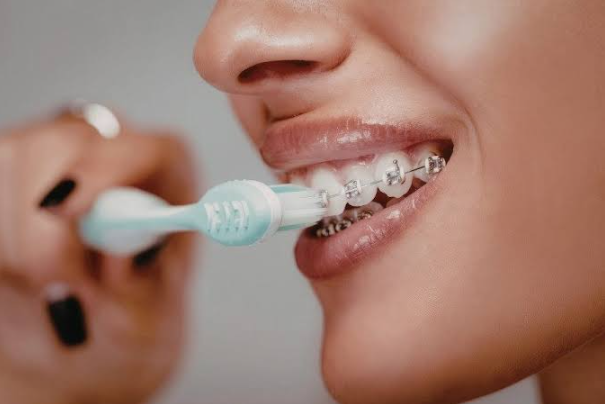
Most parents know brushing matters. The trouble is that “brushing twice a day” sounds simple until you are standing over a tired six year old who is chewing the toothbrush and asking if ten seconds counts. Technique, timing, and consistency all matter. A rushed brush at night leaves plaque sitting on the teeth for hours, which gives bacteria time to feed on sugars and produce acid.
For young children, you still need to help longer than many people think. Kids often lack the hand control to brush thoroughly on their own. Use a soft toothbrush and a fluoride toothpaste in the right amount for your child’s age. The CDC’s oral health tips for children break this down clearly, including when to supervise and how to build healthy habits early.
This is where many homes get stuck. A child brushes, but misses the gumline and back molars. Or the morning routine goes fine, but bedtime brushing gets skipped after sports or late homework. Those small misses add up. At home dental care for kids works best when it is boring, regular, and nonnegotiable.
Frequent sugar exposure raises the risk of tooth decay
Most cavities are not caused by one cupcake at a birthday party. They are caused by repeated exposure. Juice sipped over an hour, crackers between meals, sticky fruit snacks after school, milk or sweet drinks right before bed, all of it gives cavity causing bacteria more chances to make acid. If your child seems to snack constantly, their teeth may never get much of a break.
That does not mean you need a perfect kitchen or a joyless food routine. It means looking at frequency, not just the food itself. A treat with a meal is usually easier on teeth than a sweet snack eaten alone, because saliva increases during meals and helps wash acids away. Water between meals helps too.
If you have ever wondered how a child who brushes every day still gets cavities, this is often the reason. Tooth decay develops when acids wear down enamel over time. Brushing helps, but it cannot fully cancel out constant sugar exposure.
Fluoride and sealants add protection that home routines support
Some parents feel uneasy when they hear the word fluoride. Usually they just want clear facts. Fluoride strengthens enamel and helps repair early weak spots before they become cavities. That is why fluoride toothpaste matters so much at home. It is one of the simplest preventive dental care tools you can use every day.
Molars create a different problem. Their grooves are deep, and even careful brushing can miss food and plaque trapped there. That is where sealants come in. A sealant is a thin coating placed on the chewing surfaces of back teeth to block out cavity causing bacteria. The National Institute of Dental and Craniofacial Research explains dental sealants and why they are often recommended for children once permanent molars come in.
Home care and professional care are not competing ideas. They support each other. Your child may brush faithfully and still benefit from sealants, especially if they have deep grooves in their molars or a history of cavities. A trusted family dentist can help you decide what level of protection makes sense.
Small daily choices often matter more than occasional effort
Parents usually do not need a perfect system. They need one that survives real life. A child who brushes well six nights a week and drinks water after snacks is in a better place than a child with great intentions and no routine. Prevention is less about intensity and more about repetition.
| Home strategy | What it helps prevent | Common mistake | Better approach |
|---|---|---|---|
| Twice daily brushing with fluoride toothpaste | Plaque buildup, enamel damage, cavities | Letting children brush alone too early | Supervise and help, especially at night |
| Limiting sugary snacks and drinks | Frequent acid attacks on teeth | Allowing constant grazing or sipping | Keep sweets with meals and offer water between meals |
| Daily flossing once teeth touch | Cavities between teeth, gum irritation | Skipping tight spaces the brush cannot reach | Floss gently every day, even if only a few teeth need it at first |
| Sealants and regular dental visits | Decay in deep molar grooves, missed early problems | Waiting for pain before scheduling care | Ask a family dentist about timing and risk level |
Simple steps make preventive dentistry at home easier
Build one fixed brushing routine. Tie brushing to events that already happen every day, like breakfast and pajamas. Do not leave it to memory. Children respond better when the routine feels automatic instead of negotiable.
Change the snack pattern, not every food. Start by cutting down all day grazing and sweet drinks between meals. You do not need a total food overhaul to lower cavity risk. Fewer exposures can make a real difference.
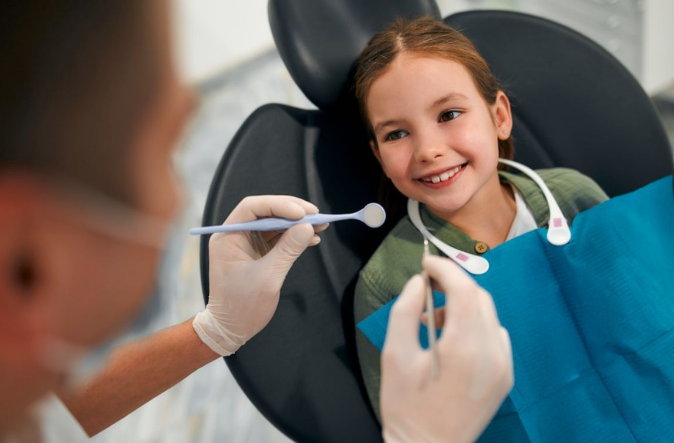
Ask for targeted help from a family dentist. If your child fights brushing, has sensitive teeth, or keeps getting cavities, get specific advice instead of guessing. Sometimes a small change in toothpaste, brushing method, or timing of sealants solves the problem faster than months of frustration.
Your child does not need perfect teeth to have a healthy future. They need steady support, a routine that works on ordinary days, and care before pain starts. Those are the habits behind 4 preventive dentistry strategies parents should use at home, and they are within reach even when family life feels busy. When you are ready for added guidance, schedule a visit with a family dentist and get a plan that fits your child, not an ideal version of family life.