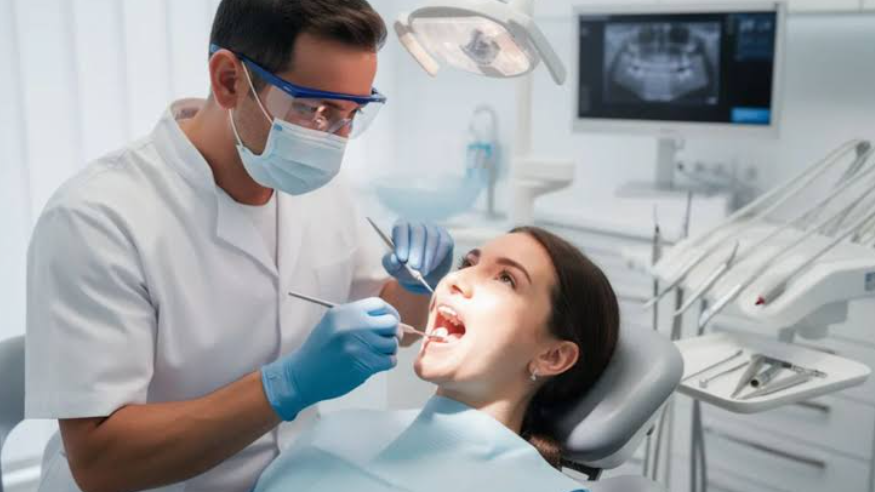
You brush, you floss when you can, and life still gets in the way. A skipped cleaning turns into a year, a little bleeding when you brush starts to feel normal, and that quick sensitivity to cold drinks becomes something you work around instead of dealing with. That is how a lot of oral health problems begin. Quietly, without much pain at first, until they cost more time, more money, and more comfort than you expected. In some cases, untreated issues can eventually lead people to consider options like dental implants Toronto.
Preventive dentistry is not about doing extra work for perfect teeth. It is about catching small problems before they grow teeth of their own. Regular exams, cleanings, screenings, and home care guidance help lower the odds of decay, gum disease, oral cancer being missed, and enamel wear that leads to cracks and sensitivity. If you have been putting off a visit, you are not alone, and you are not too late to start protecting your mouth.
Tooth Decay Often Starts Small and Gets Expensive Fast
Cavities rarely begin with a dramatic warning. You may not feel anything at all while acids and bacteria wear away the tooth surface. By the time pain shows up, the decay may already be deep enough to need more than a simple filling. According to the CDC, cavities and tooth decay remain one of the most common oral health issues.
This is where routine care matters. Professional cleanings remove plaque and tartar that brushing misses, especially near the gumline and in tight spaces between teeth. Exams and X-rays can spot weak areas early, when treatment is simpler and less costly. You might think a small cavity can wait if it does not hurt, but decay does not pause because your schedule is full. It keeps moving.
Preventive dental care helps reduce that risk by keeping watch on the places you cannot easily monitor yourself. It also gives you a clear picture of habits that may be feeding the problem, whether that is frequent snacking, dry mouth, or brushing too lightly to avoid sensitivity.
Gum Disease Can Change Your Smile Before You Realize It
Bleeding gums are easy to dismiss. A lot of people assume they brushed too hard or need a softer toothbrush. The trouble is that bleeding, swelling, and tenderness are often early signs of gum disease. The CDC explains that gum or periodontal disease can damage the tissues and bone that support your teeth.
When gum disease is ignored, it can lead to gum recession, loose teeth, bad breath that keeps coming back, and tooth loss. It also changes how your smile looks and how your bite feels. You may start chewing on one side, avoiding crunchy foods, or feeling self conscious up close. Those changes affect daily life more than people expect.
Preventive visits help by finding inflammation early, before it becomes advanced periodontal disease. A general dentist can measure gum pockets, remove buildup under and around the gumline, and show you where your brushing or flossing routine needs work. That kind of early course correction is often the difference between routine maintenance and more involved treatment later.
Oral Cancer Screenings Help Catch Serious Problems Earlier
Not every oral health risk announces itself with pain. A sore that does not heal, a red or white patch, changes in your tongue, trouble swallowing, or numbness in part of the mouth can be easy to overlook. Some people assume it is irritation from biting their cheek or a canker sore that will pass.
Routine dental visits often include a screening for abnormal changes in the mouth, lips, tongue, and throat. The CDC notes key facts about oral cancer, including the value of awareness and early detection. A screening is quick, but the benefit can be major. Catching suspicious tissue early can lead to faster evaluation and better treatment outcomes.
This is one of the clearest examples of why general dentist care is about more than clean teeth. A checkup is also a chance to look for problems you may never notice in the mirror.
Enamel Wear and Small Cracks Can Turn Into Daily Pain
Sensitivity often gets treated like a minor annoyance. You stop drinking iced water, avoid sweets on one side, or chew more carefully and move on. But worn enamel, grinding, acid erosion, and tiny cracks can leave teeth more vulnerable to decay, breakage, and nerve irritation.
Preventive care helps identify the cause instead of just reacting to the symptom. If grinding is wearing down your teeth at night, a custom night guard may protect them. If acidic drinks or reflux are softening enamel, changes in habits and products can help slow the damage. If a weak filling is starting to fail, replacing it early may prevent a fracture that needs a crown or root canal.
Common Oral Health Risks and How Preventive Dentistry Helps
| Oral Health Risk | Early Signs You Might Notice | What Preventive Dentistry Can Do | What Can Happen If You Wait |
|---|---|---|---|
| Tooth decay | Sensitivity, dark spots, food trapping | Cleanings, exams, X-rays, fluoride, early fillings | Deep cavities, infection, root canal, tooth loss |
| Gum disease | Bleeding, swelling, bad breath, gum tenderness | Professional cleaning, gum evaluation, home care guidance | Receding gums, bone loss, loose teeth |
| Oral cancer | Sores, patches, lumps, swallowing changes | Visual and physical screening during checkups | Delayed diagnosis and harder treatment |
| Enamel wear and cracks | Sensitivity, rough edges, pain when biting | Bite evaluation, night guards, repair of weak areas | Broken teeth, severe pain, larger restorations |
Small Steps Now Can Lower Bigger Dental Risks Later
Schedule routine cleanings and exams. Twice yearly is common for many people, though some need more frequent visits based on gum health, decay risk, or medical history. If it has been a while, the first goal is simple. Get a clear baseline and find out what needs attention now, not six months from now when it hurts.
Pay attention to changes you have been brushing off. Bleeding gums, new sensitivity, a rough spot on a tooth, chronic bad breath, jaw soreness, or a sore that does not heal are all worth mentioning. These details help your dentist catch patterns early.
Make home care more targeted. Brush twice a day with fluoride toothpaste, clean between your teeth daily, and ask which products fit your mouth instead of guessing in the toothpaste aisle. If you grind your teeth, sip sugary drinks all day, or deal with dry mouth, say so. The right adjustment is usually specific to your habits.
See also: Why Businesses Are Choosing Cheap SEO Services Wooster for Long-Term Online Growth
Prevention Gives You More Control Over Your Oral Health
A lot of dental problems feel sudden only because they were silent for so long. That is why preventive care matters. It lowers the chance that a manageable issue turns into pain, tooth loss, or a treatment plan you were not prepared for. Oral health prevention gives you more control, more comfort, and fewer unpleasant surprises.
If you have been meaning to book a visit, now is a good time to do it. A routine appointment with a general dentist can help you catch problems early and protect your smile with less stress.