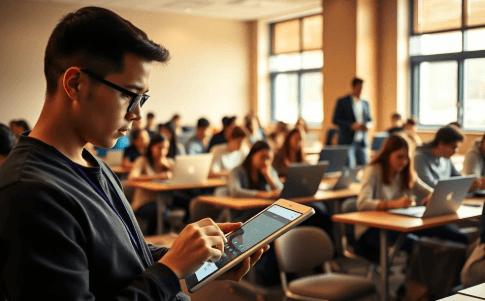
The transition from a lecture hall to a corporate boardroom is one of the most significant shifts a young adult will ever experience. In the past, this journey was often a “sink or swim” scenario where students relied solely on theoretical knowledge. However, as we move through 2026, the landscape has changed. The integration of technology in education, coupled with professional academic support, is creating a new generation of graduates who are not just degree holders, but corporate-ready professionals.
The Evolution of the Modern Learning Ecosystem
The traditional image of a student sitting alone in a library is becoming a thing of the past. Today’s academic environment is a high-tech ecosystem. From AI-driven research databases to collaborative cloud-based platforms, students are using the same tools that Fortune 500 companies use to manage global projects.
When students seek university assignment help, they are doing more than just completing a task; they are learning how to outsource, collaborate, and manage digital resources. This is a crucial skill in the corporate world where “doing it all yourself” is often a recipe for burnout. By using professional services like myassignmenthelp, students witness firsthand how expert intervention can refine a project, a practice commonly known in business as consulting or third-party auditing.
Bridging the Technical Skill Gap
One of the biggest complaints from hiring managers is that graduates lack practical, hands-on technical skills. A student might understand the theory of engineering or design, but applying that in a fast-paced environment is a different story.
This is where specialized tech-enabled support becomes invaluable. For instance, a student struggling with complex design software might look for autocad assignment help to understand the nuances of 3D modeling and architectural rendering. By interacting with experts who use these tools in a professional capacity, the student gains “Experience” and “Expertise”—two pillars of high-quality work. They aren’t just getting an answer; they are seeing a professional workflow in action. This exposure ensures that when they enter the workforce, they can hit the ground running without needing months of basic software training.
Developing a “Corporate” Mindset Through Academic Rigor
Corporate life is defined by deadlines, quality standards, and the ability to synthesize complex information. Tech-enabled academic support mirrors these demands. When a student manages multiple assignments while coordinating with online mentors, they are essentially managing a supply chain of information.
- Deadline Management: In the business world, a late report can cost millions. Academic support teaches students to work backward from a deadline, ensuring every milestone is met.
- Quality Control: Professional academic editors show students the difference between “good” and “authoritative.” This helps students develop a critical eye for their own work, which is essential for high-level corporate reporting.
- Critical Thinking: Modern support platforms don’t just provide answers; they offer methodology. Understanding the why behind a solution is what transforms a student into a leader.
The Role of Digital Literacy and AI Integration
In 2026, digital literacy is no longer optional. The corporate world expects employees to navigate complex software, verify the accuracy of AI-generated data, and communicate effectively across digital channels.
Tech-enabled support platforms serve as a training ground for these skills. Students learn to use research tools that filter out misinformation, ensuring that their work meets the highest standards of “Trustworthiness.” This ability to source and cite reliable data is a direct transferrable skill to the corporate sector, where data-driven decision-making is the gold standard.
See also: Sustainable Logistics and Heavy Transport: Building Smarter Supply Chains for the Future
Collaborative Problem Solving
In the office, you rarely work in a vacuum. Projects are collaborative. Tech-enabled academic support introduces students to the concept of “educational partnership.” Instead of viewing an assignment as a solitary struggle, they learn to view it as a project that can be enhanced through expert collaboration.
This shift in perspective is vital. It encourages the “Helpfulness” mindset—the idea that seeking out the best possible information and expertise leads to the best possible outcome. Whether it’s a complex coding project or a detailed business analysis, the ability to leverage external expertise is a hallmark of a successful manager.
Conclusion
The gap between university and the professional world is closing. Through the use of advanced technology and expert academic support, students are entering the workforce with more than just a diploma. They are entering with a toolkit of digital skills, a disciplined approach to project management, and an understanding of professional quality standards.
By embracing these tools during their university years, students ensure that their first day in the corporate world isn’t a shock to the system, but a natural progression of the high-level work they’ve already been doing.