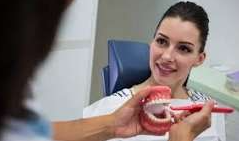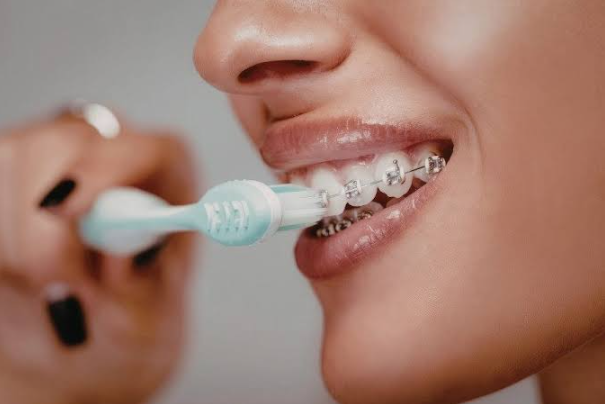
Braces already ask a lot from you. Your teeth feel sore after adjustments, food gets stuck in places it never used to, and brushing takes longer than you expected. Then someone mentions gum pockets, bleeding points, or recession, and suddenly the focus shifts from straight teeth to the health of everything holding those teeth in place. That can feel like one more thing to worry about, which is why specialized gum care for adults in Aurora, IL can make a meaningful difference.
That worry is not misplaced. Orthodontic treatment changes how you clean your teeth, how plaque builds up, and how your gums respond. Periodontal charting during braces gives your periodontist and orthodontist a clear way to measure those changes instead of guessing. It tracks pocket depth, bleeding, gum recession, and attachment levels so problems can be caught early, treated early, and kept from interfering with your orthodontic progress.
Periodontal charting shows what your gums are doing during orthodontic treatment
Braces do not cause gum disease on their own, but they can make it easier for plaque to collect around brackets and wires. If your gums are already inflamed, even mild crowding and harder home care can push that irritation further. You may notice puffiness near certain teeth, bleeding when you floss, or a spot that suddenly looks longer because the gumline has pulled back.
A periodontal chart turns those changes into numbers your care team can compare over time. During the exam, the gum tissue around each tooth is measured at several points. Your provider records pocket depths, bleeding on probing, recession, furcation involvement when present, and tooth mobility when it matters. That record creates a baseline, then shows whether your gums are stable, improving, or slipping.
This matters because gum problems do not always hurt at first. A tooth can look fine in the mirror while the supporting tissue is under strain. According to the National Institute of Dental and Craniofacial Research, gum disease can range from mild gingivitis to more serious periodontitis that damages the bone and tissue supporting the teeth. You can read more in this gum disease overview from NIDCR.
If you are in braces and one area keeps bleeding, your orthodontist may need your periodontist to check whether the issue is simple inflammation or something deeper. If a chart shows deeper pockets around certain teeth, your treatment plan may need a pause for periodontal care before more tooth movement continues. That is not a setback. It is protection.
See also: How Tech-Enabled Academic Support Prepares Students for Corporate Life
Gum measurements during braces help prevent small issues from becoming treatment delays
You can do everything you were told to do and still struggle to keep every area clean. That is common. Wires block easy flossing, elastic ties trap debris, and some teeth are harder to reach because of their position. When plaque stays in place, gums swell. Swollen gums can make pocket readings worse, create false impressions about tooth position, and in some cases increase the risk of attachment loss if inflammation stays active.
This is where gum charting with braces becomes useful. It helps separate a short-term cleaning problem from a developing periodontal issue. One visit might show generalized bleeding with shallow pockets, which often points to plaque-related gingivitis. Another might show isolated deeper readings around molars or lower front teeth, which may call for focused periodontal treatment, changes in hygiene tools, or closer recall visits.
Research has long shown a relationship between orthodontic appliances and shifts in gum health when plaque control drops. This published review on orthodontic treatment and periodontal status discusses how fixed appliances can affect plaque retention and gingival inflammation, especially when oral hygiene is not kept under control.
The practical value is simple. Your providers are not reacting to a vague sense that your gums “look irritated.” They are comparing measurements over time. That makes decisions more precise. It also reduces the chance that a real problem gets dismissed as routine braces discomfort.
Periodontist and orthodontist coordination protects both your gums and your tooth movement
Orthodontic treatment works best when the bone and gum tissue are healthy enough to support movement. If inflammation is active, the tissue response becomes less predictable. Teeth may still move, but the environment around them is not as stable as it should be.
A periodontist and orthodontist often look at the same mouth from different angles. The orthodontist focuses on alignment, bite, spacing, and controlled movement. The periodontist focuses on the structures that support those teeth. When they share charting data, x rays, and clinical findings, your treatment becomes safer and more tailored.
For example, if you already have thin gum tissue on lower front teeth, moving those teeth outward without tracking the gums closely may increase the risk of recession. If your charting shows stable shallow pockets and no bleeding over several visits, treatment can usually continue with more confidence. If the chart shows worsening inflammation, your team can step in before the damage becomes harder and more expensive to manage.
Tracking gum changes during braces gives clearer decisions than symptoms alone
| What You Notice | What Charting May Show | Likely Next Step |
|---|---|---|
| Bleeding when brushing near brackets | Shallow pockets with widespread bleeding | Professional cleaning, home care changes, shorter recall interval |
| One tooth looks longer than before | Localized gum recession | Review tooth movement, reduce irritation, periodontal evaluation |
| Persistent swelling around back teeth | Deeper pocketing in isolated areas | Targeted periodontal treatment and hygiene review |
| No pain, but gums look puffy | Early inflammation without major attachment loss | Closer monitoring to prevent progression |
| Tooth feels slightly loose | Mobility with inflammatory changes or active movement | Evaluate whether mobility is expected or needs intervention |
Simple steps help you respond early to periodontal changes
Ask for a baseline periodontal chart. If you are starting braces or already in treatment, ask whether your gums have been charted and whether there is a record to compare at future visits. A baseline makes every later decision stronger.
Report patterns, not just pain. Tell your provider if the same area keeps bleeding, swelling, trapping food, or looking recessed. Gum disease and recession do not always announce themselves with pain, so patterns matter more than discomfort alone.
Keep your periodontal and orthodontic visits connected. If you see both a general dentist and a specialist, make sure records move between offices. Orthodontic gum monitoring works best when everyone is looking at the same findings and timing treatment together.
Consistent charting keeps braces treatment safer and more predictable
Straight teeth are not the whole goal. You want teeth that look better and stay supported for the long term. Periodontal charting helps make that possible by catching changes early, guiding treatment choices, and giving your providers a way to protect your gums while your teeth move.
If you are in braces and your gums have been bleeding, swelling, or changing shape, schedule a visit with a periodontist and orthodontist for a closer look at your gum health and treatment plan.