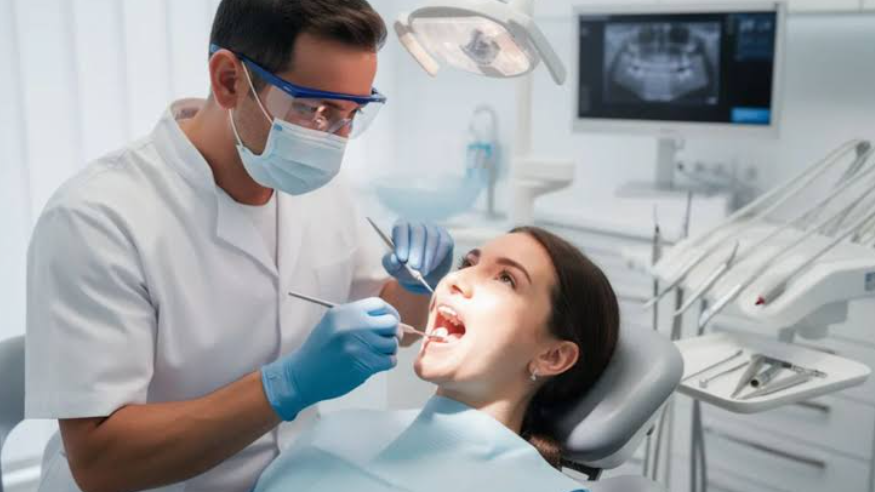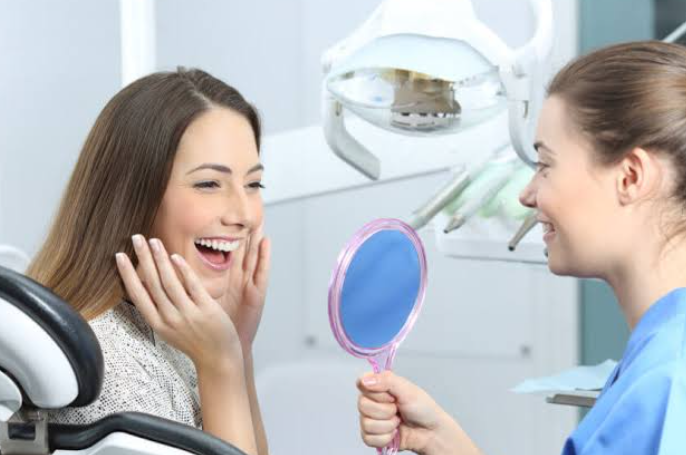
You notice it in small moments first. You smile less in photos, cover your mouth when you laugh, or angle your face during video calls because one chipped tooth or years of staining keep pulling your attention back. That self-conscious feeling wears on you. It can make a healthy smile feel unfinished, even when you brush, floss, and keep up with checkups. With personalized dental care in Westchase, Tampa, you can address those concerns and feel more confident in your smile.
That is where a family and cosmetic dentist often changes more than appearance. Cosmetic care is not only about looking polished. It is about helping your smile match how you already feel inside, or how you want to feel when you speak, eat, laugh, and meet people without second-guessing yourself. How Family Dentistry Encourages Confidence Through Cosmetic Options comes down to this. You get care that supports oral health and appearance at the same time, in a setting that usually knows your history, your habits, and your goals.
Family and cosmetic dentistry connects appearance with everyday comfort
Cosmetic concerns rarely stay cosmetic in your mind. A gap may seem minor to someone else, but to you it may affect how often you smile. Worn edges can make your teeth look older than you feel. Uneven color can make a clean smile seem neglected when it is not. These details shape confidence because your mouth is part of nearly every social interaction.
A family dental office is in a strong position to help because it sees the full picture. Your provider is not only looking at shade or shape. They are checking enamel strength, bite alignment, gum health, and the daily habits that affect long-term results. That matters. Teeth whitening on untreated decay is not smart care. Veneers on a bite that causes grinding may not last well. Cosmetic planning works best when it starts with health.
That balance is supported by evidence-based care. The American Dental Association explains how evidence-based dental research helps guide treatment decisions through the best available science, clinical judgment, and patient needs. You want that approach when your smile and your budget are both on the line.
Cosmetic options in family dentistry often solve more than one problem
A brighter smile is the most obvious goal, but many treatments do double duty. Professional whitening can lift stains that make teeth look dull after years of coffee, tea, or tobacco use. Bonding can repair chips and smooth rough edges while improving symmetry. Clear aligners can straighten crowded teeth, which may also make cleaning easier. Tooth-colored fillings and crowns restore damaged teeth without the metallic look some patients want to avoid.
You may be thinking about one tooth that bothers you every day, or a group of smaller issues that together make your smile feel off. In both cases, a cosmetic dental care in a family practice setting can be less overwhelming because treatment is usually phased. You do not have to do everything at once. A dentist may start with cleaning and gum care, then move to whitening, then refine shape or spacing. That kind of sequencing protects your oral health and makes the process easier to manage.
The emotional side is real too. If you have spent years hearing that your concern is “just cosmetic,” it can feel hard to bring it up. Yet confidence affects how you carry yourself at work, in relationships, and even at routine appointments. Feeling seen by a provider who treats both children and adults can lower the pressure. The office often becomes a familiar place instead of another setting where you need to explain your anxiety from scratch.
Professional cosmetic treatment offers more control than store bought fixes
Quick fixes are tempting because they promise a cheaper answer. Whitening strips, boil-and-bite trays, and online aligner offers can look simple at first glance. The problem is that your teeth are not generic. Stains have different causes. Tooth sensitivity varies. Alignment issues may involve the bite, not just appearance. A one-size product cannot diagnose any of that.
| Option | What It Can Help | Main Limits | Best Fit |
|---|---|---|---|
| Store bought whitening strips | Mild surface stains | Uneven results, sensitivity, limited strength | Small touch-ups for otherwise healthy teeth |
| Professional whitening | Deeper staining, more even color improvement | Needs exam first, not suited for every type of discoloration | Patients who want monitored, predictable results |
| Dental bonding | Chips, small gaps, shape concerns | Can stain or wear over time | Fast cosmetic improvement with minimal tooth change |
| Clear aligners | Crowding, spacing, mild to moderate alignment issues | Requires consistency, not ideal for every bite problem | Patients seeking gradual smile correction |
| Veneers or cosmetic crowns | Color, shape, worn teeth, more dramatic changes | Higher cost, planning matters, may involve tooth preparation | Patients who want lasting smile redesign |
Even home care plays a part in cosmetic success. The National Institute of Dental and Craniofacial Research offers practical guidance on oral hygiene, and that foundation matters. Whitening, bonding, and aligners all hold up better when plaque control is strong and gum tissue stays healthy. Cosmetic work looks better on a clean, stable smile.
Family dental cosmetic services work best when you plan with real priorities
Most people are weighing more than looks. They are thinking about cost, timing, sensitivity, maintenance, and whether the result will still feel natural. That is why a good treatment plan starts with your daily life. If you grind your teeth, that affects material choice. If you have a wedding, interview, or graduation coming up, timing matters. If your child also needs routine care, convenience may shape where you go and when treatment starts.
Confidence grows when the plan feels realistic. Not perfect. Realistic. That might mean starting with one front tooth repair that changes your smile more than expected. It might mean choosing whitening before considering veneers. It might mean deciding that healthy, natural-looking improvement matters more than a dramatic makeover. A skilled provider will help you sort through those choices without pushing you into work you do not need.
Three steps you can take right now
1. Make a short list of what bothers you most. Write down the top three things you notice when you smile, such as color, chips, spacing, or old dental work. That gives your dentist clear direction and keeps the conversation focused on what matters to you.
2. Ask for a health first cosmetic exam. Cosmetic care should begin with an evaluation of gums, enamel, bite, and existing restorations. That helps you avoid spending money on a treatment that may not last or may need to be redone after basic issues are addressed.
3. Choose one improvement with the highest impact. You do not need a full smile makeover to feel better. Whitening, bonding, or replacing a visible worn filling may be enough to change how you feel every day.
Your smile does not need to be flawless to feel like yours again. The right cosmetic options can make you look more rested, more open, and more like yourself, and a family and cosmetic dentist can help you get there in a way that protects your long-term oral health. If you are ready to feel more at ease when you smile, schedule a consultation for family and cosmetic dentist care and talk through the options that fit your goals.